Basement flood restoration with Fishers Restoration Experts in Indianapolis becomes very real once fall storms start. Rain soaks the ground and cold air moves in right behind it. Pipes feel that change, sump pumps work harder and small issues in the basement turn into water on the floor.
Many homes around Indianapolis rely on finished or partially finished basements. These spaces hold stored items, mechanical systems and often a family room. When water gets in, it touches a lot of things at once. A clear plan helps you protect the space and recover faster when problems appear.
This guide walks through how basement flood restoration works, what you can do before winter and when it makes sense to call a local team.
Basement Flood Restoration And Basement Flood Restoration Services In Indianapolis
Basement flood restoration in Indianapolis always starts with a clear look at what happened. A good crew checks where the water came from, how far it spread and what it touched. Fishers Restoration Experts treats that first visit as the base for every step that follows.
Basement flood restoration services usually follow a repeatable pattern. That pattern keeps the work organized and keeps time on your side.
The team begins with safety. They look for obvious electrical risks and other hazards. You stay out of standing water near outlets or power strips or electrical panels. They may ask you to shut power to the basement from an upstairs panel.
Next comes inspection. Experienced technicians walk the entire basement and mark every wet area. Moisture meters help them find damp drywall or framing that still looks dry on the surface. That detail matters because trapped moisture often causes trouble later.
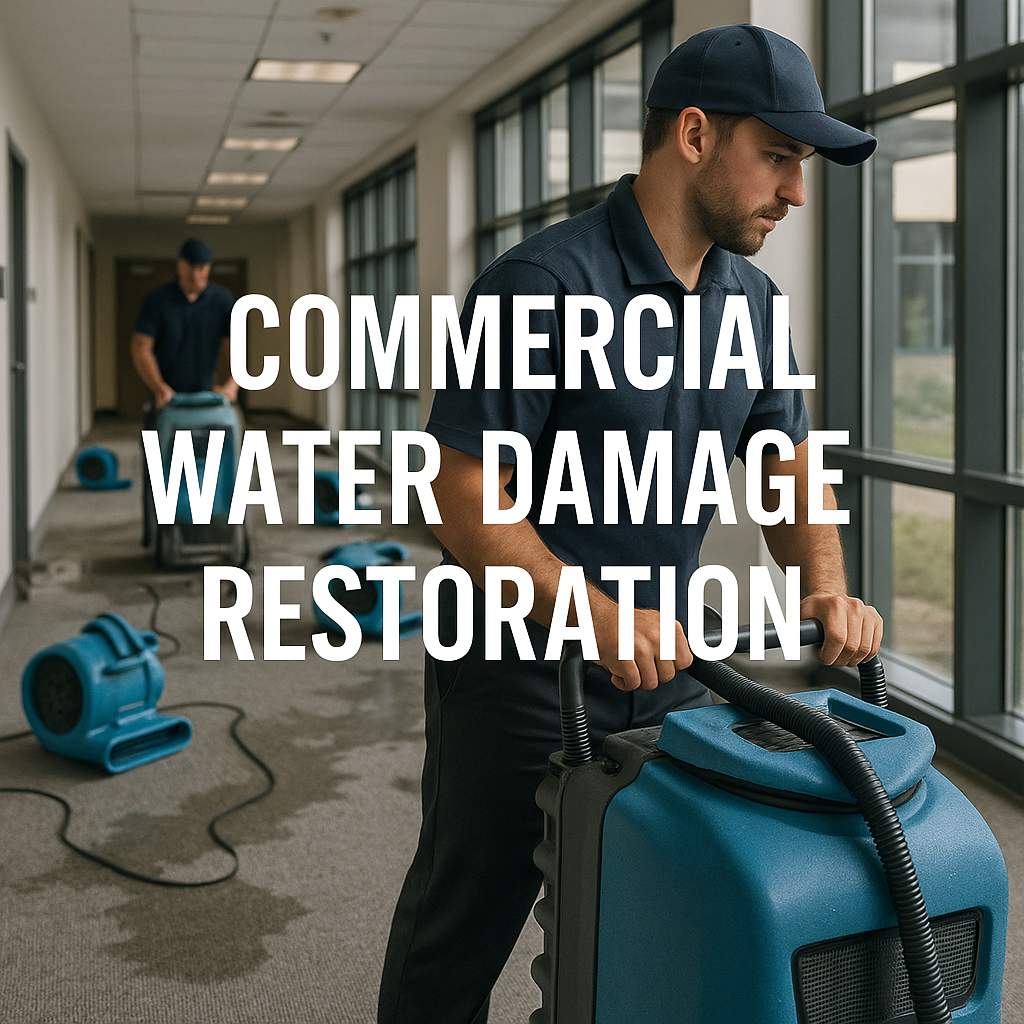
After that, crews focus on water removal. They bring in pumps and extraction tools and start pulling water out of the basement. They work on the deepest spots first and then move to carpets and other soft materials.
Drying follows right away. Fans move air across wet surfaces. Dehumidifiers pull water from the air so the structure dries from the inside. Technicians check readings and adjust equipment so the basement reaches normal moisture levels, not just “good enough.”
Cleaning and sanitation come next. The crew wipes and washes hard surfaces and removes items that took too much water. They apply cleaning agents in areas that saw dirty water or a long wet period. You get a basement that feels safe to walk through again.
The last part of basement flood restoration services covers repairs. That may include drywall, trim, paint and flooring. Fishers Restoration Experts handles both the emergency phase and the rebuilding phase, so you work with one team from start to finish.
Basement Flooding Restoration And Flooded Basement Restoration After Heavy Rain
Basement flooding restoration and flooded basement restoration often start with the sky. Heavy fall rain hits roofs, driveways and yards. Water then looks for the lowest place to go.
If gutters stay clogged, water spills over the sides. That water lands right next to the foundation and runs down the wall. Short downspouts drop roof water near the house as well. Over time, soil beside the wall becomes soft and holds more moisture.
Grading also plays a part. If the ground slopes toward the house, water flows toward the basement instead of away from it. During a long storm, that water pools along the wall and pushes against small cracks.
Sump pump problems often join the list. A stuck float or a failed pump leaves the pit full of water. Once the water level rises above the drain tile, it seeks another path. Many homeowners see that path appear as water at the cove joint or in floor cracks.
In these moments, basement flooding restoration focuses on both short term and long term steps. Short term work pulls water out and dries the basement. Long term work looks at the reasons water found a way inside.
You can help by giving water a better route. Clean gutters in fall and spring. Add downspout extensions so water lands several feet from the foundation. Fix low spots that hold water along the wall. Test the sump pump a few times each year with a bucket of water.
These simple habits reduce the odds of a flooded basement. They also support the work that a restoration crew does after a storm.
Basement Flood Damage Cleanup And Basement Water Damage Restoration Steps
Basement flood damage cleanup begins when you first see water in the space. You may notice wet carpet, a musty smell or visible puddles. Quick action limits damage and makes basement water damage restoration more direct.
The first step is to protect people in the home. Keep children and pets away from the flooded area. Avoid walking through water that touches outlets, power strips or electrical panels. If you can reach the main breaker upstairs, shut power to the basement until a professional checks the area.
Next, call a company that handles basement flood damage cleanup on a regular basis. Fishers Restoration Experts builds its schedule around water and fire losses, so a flooded basement fits that daily work. A fast call often leads to a faster on site visit.
While you wait, you can start simple tasks if the area feels safe. Move small dry items from the floor to a higher spot. Place foil or blocks under furniture legs to keep them off damp floors. Take photos of the damage before you move large items.
Once the crew arrives, basement water damage restoration follows a clear sequence. The technicians remove standing water and then extract as much as they can from carpets and pads. They set up dryers and dehumidifiers and return often to check progress.
You also see a focus on contents. Some items dry well with careful handling. Others, such as soaked cardboard boxes, may not recover. The team explains these choices and helps you decide which items stay and which items leave.
When the structure reaches normal moisture levels, repairs begin. You work with the crew to decide on finishes, colors and materials. That way the basement feels like your space again, not just a dried work site.
Emergency Flood Damage Restoration And Flood Damage Restoration In Winter
Emergency flood damage restoration often starts with a pipe instead of a storm. When temperatures drop, water in exposed pipes may freeze. Ice expands and creates pressure. Thin spots in copper or older plastic lines split under that stress.
A burst pipe above the basement creates a fast moving problem. Water runs along joists and through light fixtures. It drips behind walls and onto stored belongings. You may hear the sound of water or notice it around a floor drain.
In this type of situation, flood damage restoration needs quick action. You first shut off the main water supply. The valve often sits near the water meter or where the main line enters the house. Once the flow stops, the crew can focus on removal and drying.
Emergency flood damage restoration in winter blends several steps. Teams pump out standing water, extract moisture from floors and open up areas that trap water. They also watch for hidden damp spots near the broken pipe.
You can reduce this risk with a few habits. Add pipe insulation in unheated spaces. Seal gaps that let cold air reach indoor plumbing. Keep a steady indoor temperature, even when you travel. Know where the main shutoff valve sits and teach other adults in the home.
Not every water issue calls for emergency response. Some situations fall into planned flood damage restoration instead. Slow seepage, old stains and long term dampness need careful drying and repair, but not a midnight call. A good contractor can help you tell the difference.
FAQ: Basement Flood Restoration In Indianapolis
How fast should I call after I see a flooded basement?
Call a restoration company as soon as you see water. Drying often works best when it starts within one or two days of the event. Fast action reduces the chance of mold and long term damage.
Do I always need professional basement flood restoration?
Small spills from a short leak may dry with simple tools. Larger floods, soaked walls or any sign of contamination call for professional help. A local team brings stronger equipment and deeper experience.
What can I do now to prepare my basement for heavy fall rain?
You can clean gutters, extend downspouts and improve grading. These steps keep water away from the foundation. You can also test the sump pump and add a backup power source. Simple work now may prevent big problems later.
How does basement water damage restoration handle mold?
Restoration crews look for visible growth and for areas that stayed damp for several days. They remove damaged materials when needed and clean surfaces that can remain. Drying and dehumidification also make the space less friendly to mold.
Will flood damage restoration always return my basement to normal?
Results depend on how long the water stayed and what it touched. Many basements recover fully with proper work. A good contractor explains limits and options before repairs start.
Call Fishers Restoration Experts For Basement Flood Restoration
Basement flood restoration in Indianapolis feels easier when you already know whom to call. Fishers Restoration Experts focuses on flooded basement restoration and related services for homes across the area. The team knows local weather patterns, common basement designs and typical plumbing layouts.
You gain more control when you pair prevention with a ready contact. You handle gutter care, grading and sump pump tests. Fishers Restoration Experts handles basement flood restoration services, basement flooding restoration, basement flood damage cleanup and basement water damage restoration when problems appear.
For fast help with emergency flood damage restoration or any flood damage restoration need, call Fishers Restoration Experts today at 317-951-9067.
Contact Us